



Expert Insights on Pain, Spine & Joint Health

Knee Pain
Why Does My Knee Hurt When Walking? Causes & Relief
 Admin
Admin- September 8, 2026
If your knee hurts when walking, you may wonder why a simple activity is causing discomfort. Knee pain while walking can develop for several reasons, including overuse, osteoarthritis, patellofemoral pain, tendon problems, meniscus problems and other conditions affecting the knee.
The pain may appear after walking for a while, become noticeable with every step, or occur along with stiffness, swelling or other symptoms. You may also develop knee pain without remembering any specific injury.
Understanding when the pain occurs and what other symptoms accompany it can provide useful information, but the exact cause cannot always be determined from symptoms alone.
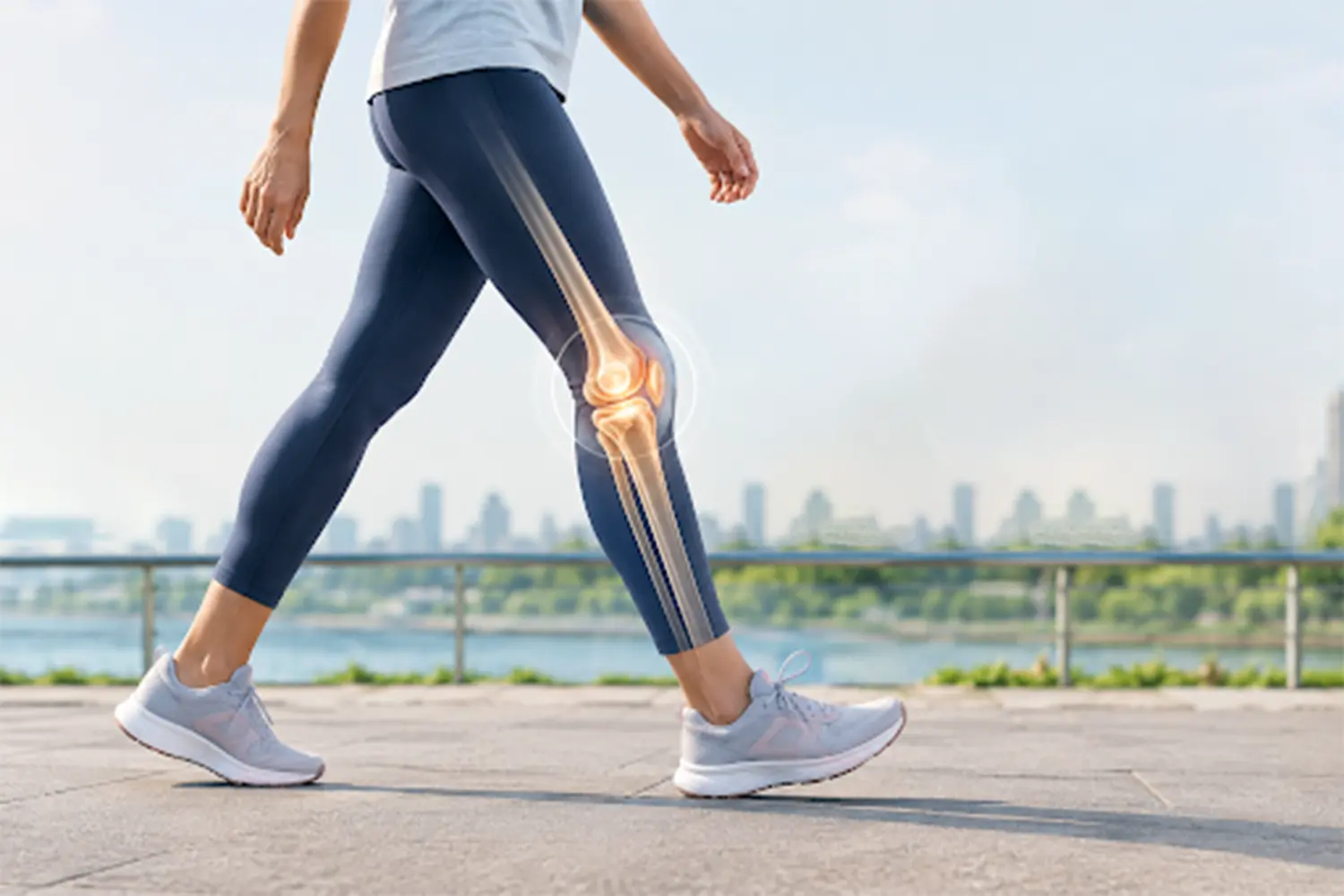
Why Does Walking Cause Knee Pain?
Walking repeatedly loads and moves the knee. With every step, the knee bends and straightens while the muscles, tendons, ligaments and other structures around it work together to support movement and stability.
If one of these structures is irritated, inflamed, injured or affected by an underlying condition, the repeated movement and load involved in walking may make the pain noticeable.
The pattern of pain can vary. Some people may notice discomfort only after walking longer distances, while others may experience pain from the beginning of a walk. The pain may also improve with rest or become more noticeable as activity continues.
Paying attention to when your knee starts hurting, what activities make it worse and whether you have symptoms such as swelling or stiffness can be useful when discussing the problem with a healthcare professional.
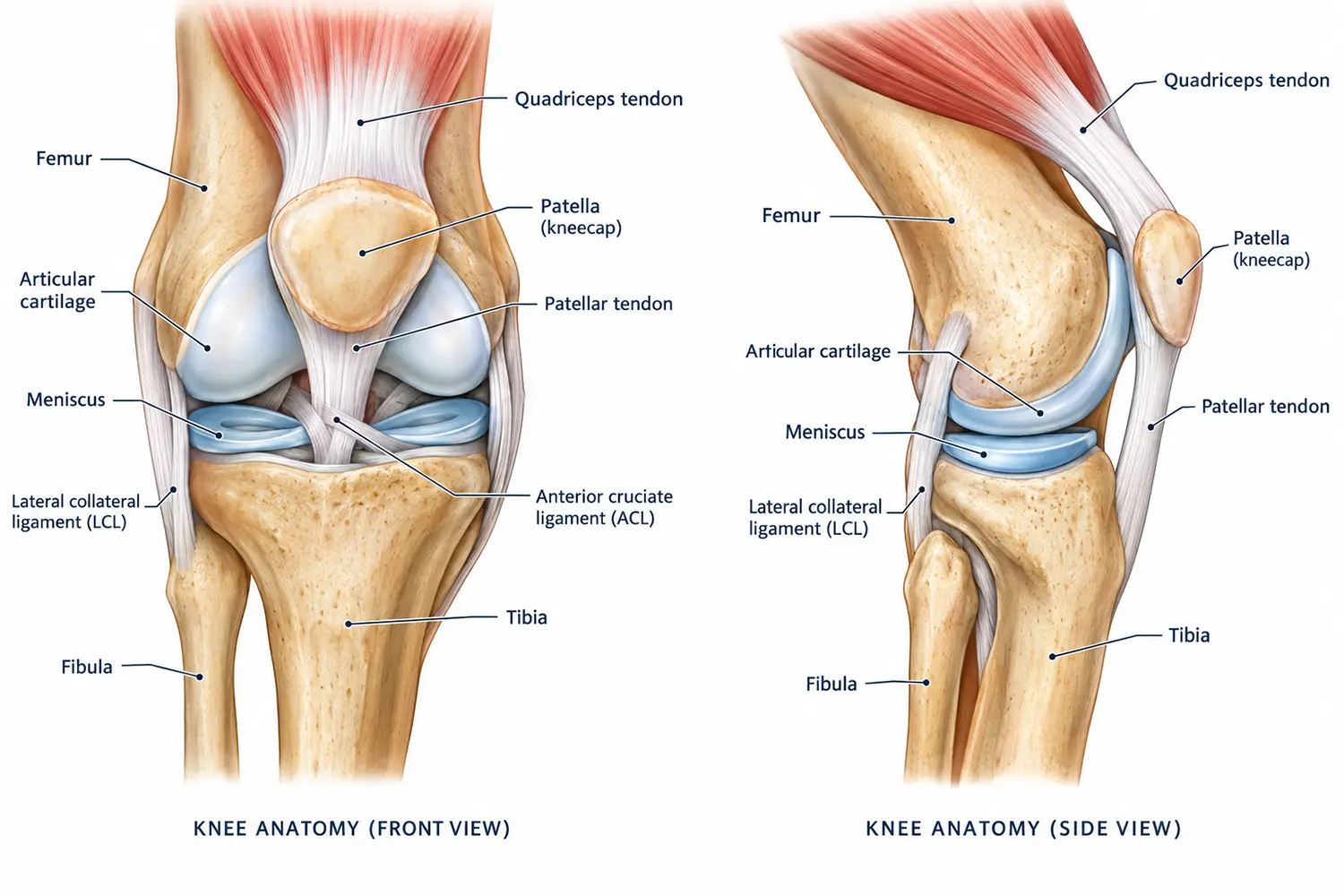
Common Causes of Knee Pain While Walking

Knee osteoarthritis
Knee Osteoarthritis is a common cause of knee pain and can become more noticeable during weight-bearing activities such as walking. Changes within the knee can affect movement and may lead to pain and stiffness.
Symptoms often develop gradually, although the severity and pattern can vary between individuals. Some people may also experience stiffness after periods of inactivity or discomfort during other activities that place weight on the knee.
-
Patellofemoral pain
Patellofemoral pain involves the area around or behind the kneecap. It may become noticeable during activities that repeatedly load or bend the knee.
Walking, climbing stairs, squatting or getting up from a chair may aggravate symptoms in some people. Because several conditions can cause pain around the front of the knee, the location of pain alone is not enough to identify its cause.
-
Meniscus problems
The menisci are pieces of cartilage inside the knee that help distribute load and contribute to joint stability.
A meniscus problem can cause pain during movement and may sometimes be accompanied by clicking, catching, swelling or difficulty moving the knee. Meniscus problems can occur following an injury, while age-related changes can also affect the meniscus over time.
-
Tendon problems
Tendons connect muscles to bones and help the knee move. Irritation or overuse of a tendon around the knee can cause activity-related pain.
A sudden increase in walking, exercise or other physical activity may contribute to symptoms in some cases.
-
Ligament-related problems
Ligaments help stabilize the knee. An injury affecting a knee ligament may cause pain during movement or weight-bearing and can sometimes be associated with instability or a feeling that the knee may give way.
Ligament injuries are often associated with events such as twisting, falling or sports-related injuries, although symptoms can vary depending on the structure involved and the severity of the problem.
-
Overuse or a sudden increase in activity
Knee pain does not always mean that a specific structure has been seriously injured.
Increasing your walking distance suddenly, spending much longer periods on your feet or returning to physical activity after a period of inactivity can place additional stress on the knee and surrounding tissues.
If pain continues after reducing the activity that aggravates it, the underlying cause should be evaluated.
Can Knee Pain While Walking Happen Without an Injury?
Yes. Knee pain can develop even when there has been no obvious fall, twist or other injury.
Osteoarthritis, overuse, tendon problems, patellofemoral pain and other conditions can cause knee pain without a single identifiable event. In some cases, the underlying changes develop gradually and become noticeable when the knee is placed under greater load, such as during walking.
Therefore, not having an injury does not necessarily mean that persistent knee pain should be ignored.
What Can You Do If Your Knee Hurts While Walking?
What may help depends on what is causing the pain. If walking clearly aggravates your symptoms, temporarily reducing the activity or modifying how much you walk may help avoid further irritation.
You can also:
- Avoid activities that clearly increase your knee pain.
- Increase walking distance gradually rather than making sudden changes in activity.
- Wear comfortable, well-fitting footwear appropriate for your activity.
- Pay attention to whether the pain is improving, remaining the same or becoming worse.
- Seek professional evaluation if the pain persists, returns frequently or interferes with your daily activities.
There is no single quick remedy that works for every type of knee pain. Learn more about knee pain treatment options and when professional care may be appropriate.

When Should You Get Knee Pain Evaluated?
Consider getting your knee pain evaluated if it:
- Continues or keeps returning.
- Interferes with walking or everyday activities.
- Makes it difficult to move or bear weight on the knee.
- It is associated with significant swelling.
- Is accompanied by instability or the knee giving way.
- Develops after a significant injury.
- Occurs with redness, warmth or fever.
Severe pain following an injury, an obvious deformity, or an inability to move or bear weight on the knee may require prompt medical attention.
If your knee pain is persistent or affecting your normal activities, identifying the underlying cause can help determine whether treatment is needed and what approach may be appropriate.
FAQs
Why does my knee hurt when I straighten it?
Pain when straightening the knee can occur with several different knee problems, including conditions affecting the kneecap, meniscus, tendons or other structures. The movement that triggers the pain alone cannot determine the underlying cause.
Why does my knee hurt when I bend it and straighten it?
Repeated bending and straightening can make pain more noticeable when a structure in or around the knee is irritated or affected by an underlying condition. If this pain persists or is accompanied by swelling, locking or difficulty moving the knee, a medical evaluation can help identify the cause.
Can knee pain happen without swelling?
Yes. Some causes of knee pain do not produce visible swelling. The absence of swelling does not by itself identify the cause of knee pain or rule out an underlying knee condition.
The Bottom Line
Knee pain while walking can have several possible causes, including osteoarthritis, patellofemoral pain, meniscus problems, tendon or ligament problems and overuse. It can also develop without a specific injury.
If your knee pain keeps returning, becomes worse or starts affecting your ability to walk and perform everyday activities, consider getting it evaluated. Understanding the underlying cause is an important first step toward choosing appropriate care.
If you want to learn more about the treatment options for knee pain, you can explore Anjani's knee pain treatment information.
Written & medically reviewed by Dr. Mohana Gadre
M.B.B.S., D.A., D.N.B., F.I.P.M., IAPC
Pain Management Specialist & Anaesthesiologist

 Call Now