
Knee Mobility Rehabilitation
Focused on improving bending movement, walking comfort, and joint flexibility.
Mumbai
Banglore
Chennai
 10: 00 AM - 7:00 PM

Precision Care for Meniscus Tears & Knee Locking
 No Surgery
 30-Minute Procedures
 Medication-Free Approach
 Same-Day Discharge
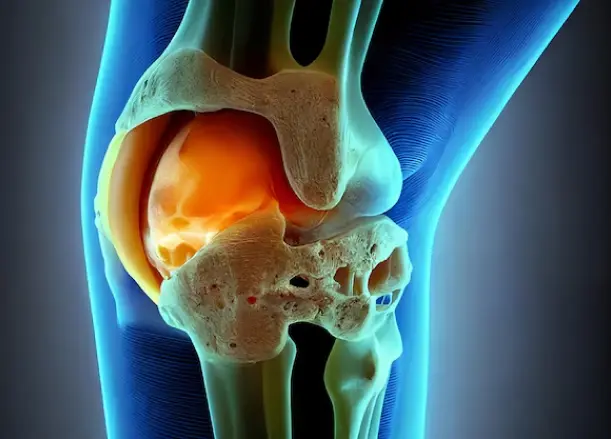
A meniscus tear can affect knee movement, walking comfort, squatting, stair climbing, and physical activity. Meniscus injuries may develop after twisting movements, sports activity, sudden knee rotation, or gradual cartilage wear over time.
At Anjani Hospital, patients are evaluated for meniscus and cartilage-related knee injuries using personalized treatment approaches focused on reducing knee locking symptoms, improving flexibility, and supporting long-term joint stability.
 Meniscus & Cartilage Evaluation
 Knee Locking & Movement Assessment
 Sports & Activity Injury Care
Patients commonly report:
 Pain while twisting or squattingKnee locking or catching sensationSwelling after activity or movementDifficulty bending the knee fullyDiscomfort during stair climbingClicking sensation during movementKnee stiffness after sitting or inactivity
Persistent knee locking or catching sensations during movement should not be ignored, especially if symptoms affect walking, squatting, or stair use.
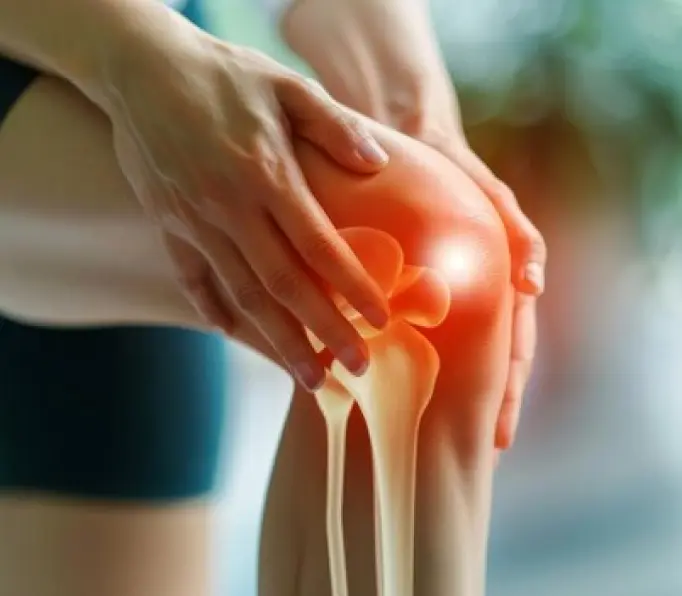
Schedule a consultation for meniscus evaluation and personalized recovery guidance.
Consult a SpecialistTreatment recommendations depend on tear location, cartilage involvement, knee movement restriction, and activity level.
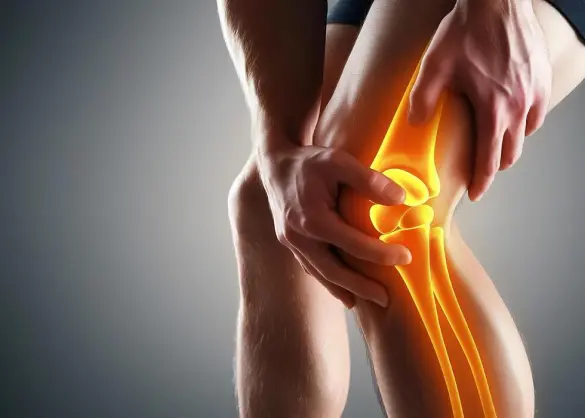
Focused on improving bending movement, walking comfort, and joint flexibility.
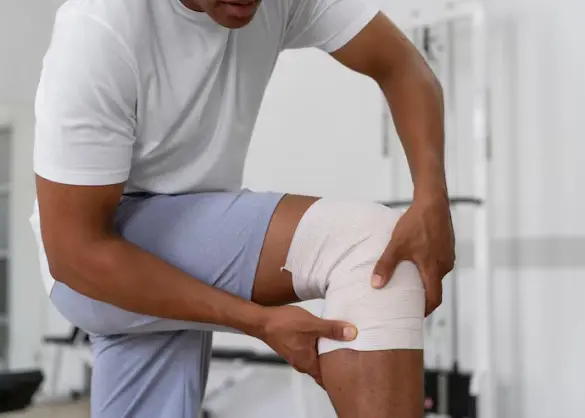
Focused on reducing pressure on the damaged knee cartilage during daily movement.
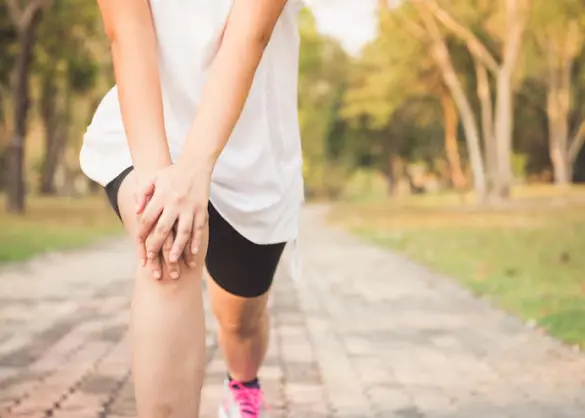
Helps improve smoother joint movement during walking, squatting, and stair activity.
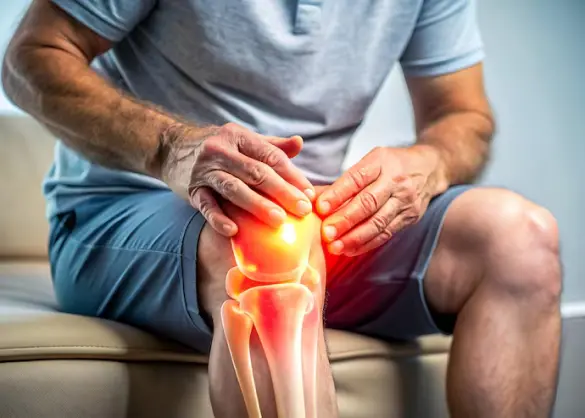
Care approaches focused on reducing activity-related knee irritation and stiffness.
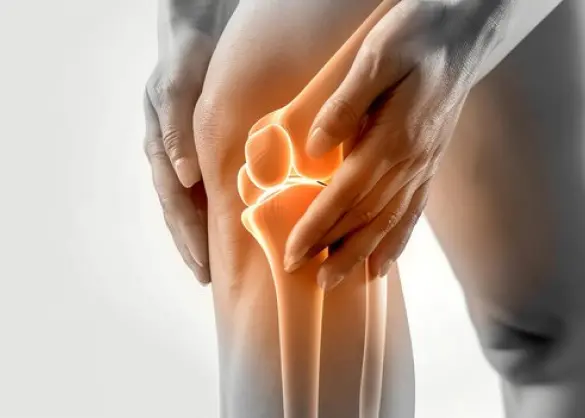
Guidance focused on protecting the knee during sports, exercise, and routine movement.

Structured rehabilitation focused on restoring knee function and movement confidence safely.
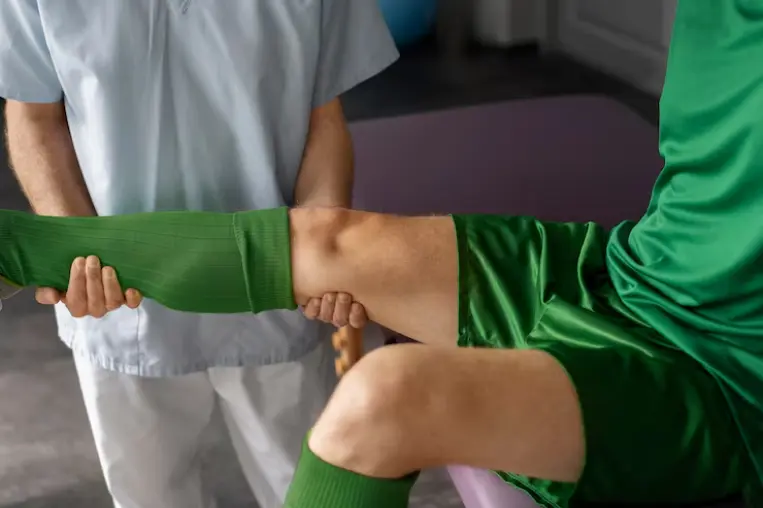
Our specialists provide personalized care focused on knee movement recovery, cartilage support, and long-term joint function.
Book ConsultationMedical evaluation may be recommended if you experience:

Knee locking or catching during movement

Swelling after twisting or squatting activity

Difficulty bending the knee comfortably

Pain during stair climbing or kneeling

Recurrent clicking or movement restriction


Some patients may benefit from structured non-surgical care depending on tear severity, knee stability, and activity level.
Symptoms may include knee locking, swelling, clicking, pain during twisting movement, stiffness, or difficulty bending the knee.
Yes, cartilage-related knee injuries may affect smooth movement, flexibility, and weight-bearing comfort.
Consultations for meniscus tear treatment are available at Anjani Hospital locations in Mumbai, Bangalore, and Chennai. Appointment availability may vary by location.
Medically reviewed by Dr. C. Ravi Kumar Reddy Pain Management Specialist
